


Author: Lars Ivar Leivestad, Commercial Manager at Miros
Nobody really wants to be the person who stops the job. That's the uncomfortable truth behind every marginal sea state conversation offshore.
The bridge team is watching the waves. The client rep is watching the schedule. The deck crew is watching the crane. The marine coordinator aligns the different operational inputs. And somewhere onshore, a project team is watching the cost. Different perspectives; different priorities.
In theory, the authority is defined, and safety always wins. In practice, marginal conditions can blur the line between who may stop the operation and who recommends proceeding. While the captain retains overriding authority for vessel safety, different crew members may each have responsibility to stop an operation within their area. Problems arise when these roles, limits, and escalation paths are not clearly understood before pressure builds.
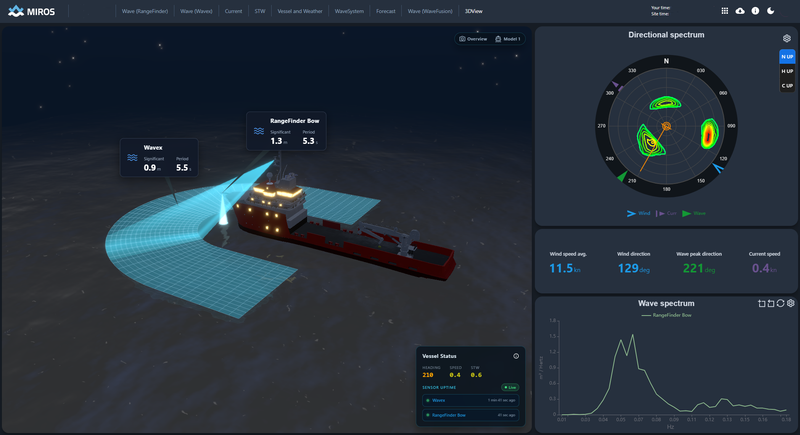
The captain’s overriding authority for the safety of the vessel, crew, and environment is not in question. But complex offshore work involves more than one operational authority. Crane operators, lifting supervisors, dynamic positioning (DP) operators, client representatives, and crew members may each hold defined responsibilities, including the right and duty to stop unsafe work. The real question is whether those responsibilities, limits, and escalation paths remain clear when conditions become marginal and schedule pressure rises.
The grey zone is where accidents happen
Complex offshore operations don't fail in clear conditions or obvious storms. They fail in the grey zone, where experienced people look at the same situation and reach different conclusions.
In a recent article I wrote online, one observer commented how a ‘no-go’ situation they were involved with turned into a successful lift by making a 10-degree heading change. That kind of adjustment requires cooperation between the crane operator, the deck crew, and the bridge team. It requires everyone to be working from the same operational picture. It also requires clear stop-work authority, a defined route for deciding whether the operation can safely continue, and a culture that protects good-faith safety decisions from commercial pressure.
Objective, real-time sea state data doesn't replace that judgment. It supports it. When every person in that decision chain can see the same verified numbers rather than different interpretations of what they're observing, the conversation changes. There's less room for pressure to fill the gap.
Planning sets the limits. Live data confirms the decision.
The go/no-go decision shouldn't start at the moment of execution. Simulator tools exist precisely for this. When a full team, bridge crew, crane operator, deck crew and dynamic positioning (DP) operator functions and trains together using real operational parameters, the agreed limits are already understood before the hook is in the air. The grey zone shrinks because the team has already rehearsed where the edges are.
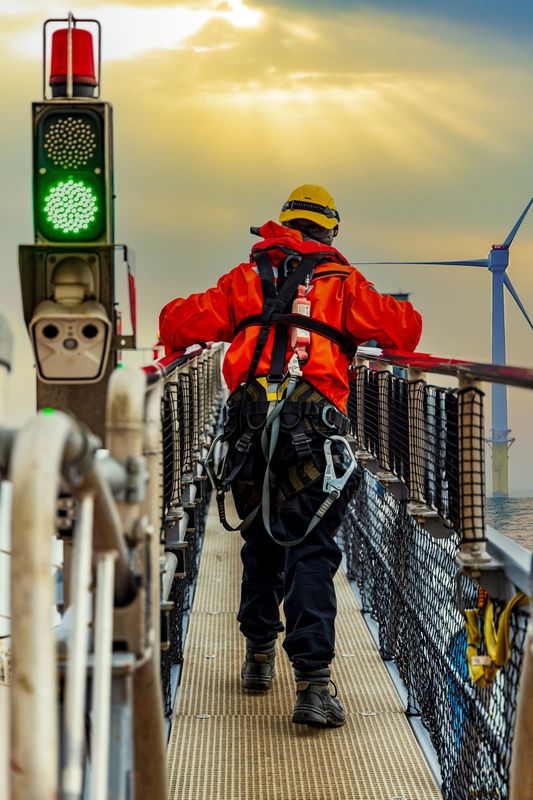
Live, objective sea state data at the point of execution is the next layer. When actual conditions at the vessel can be checked against pre-agreed parameters in real-time, the team has stronger evidence for the decision. Professional judgment remains essential, but it is grounded in a shared and objective picture.
Authority must be clear when schedules are under pressure
But data is only part of this. The other part is culture. Clear authority is required to pause an operation, and that authority needs to be respected before conditions become marginal, not negotiated for the first time under pressure.
From a DP and marine assurance perspective, rigorous failure mode and effects analysis (FMEA) processes, proving trials, defined operational limits, and real-time visibility of wind, waves, and currents give crews a clearer understanding and confidence of the vessel’s capabilities and current operating margin. But that confidence is fragile unless company and project leadership support the captain, crew, and operational specialists when they make a good-faith decision to stop or delay the work.
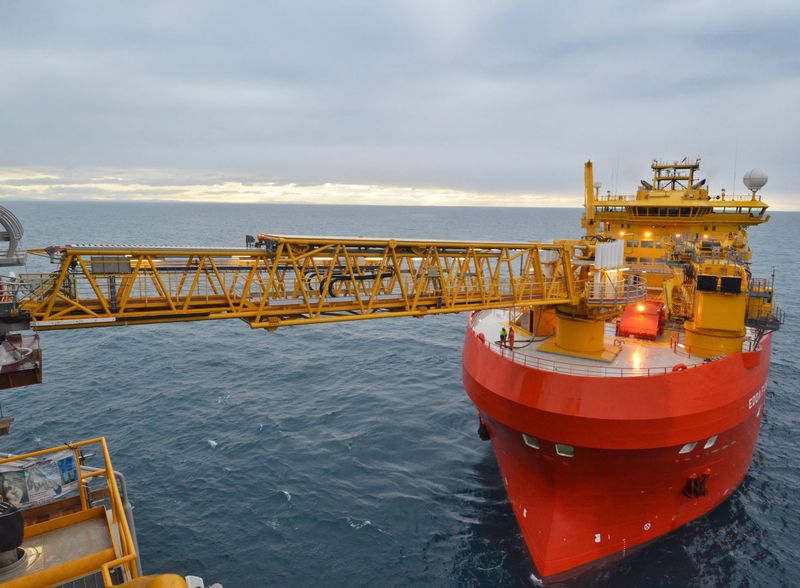
The strongest operational frameworks share one characteristic: everyone understands that they can stop unsafe work, why the agreed limits exist, and who must be involved before the operation can resume. The limit isn't subjective. The reasoning behind it has been shared, tested, and agreed. When that foundation is in place, real-time data becomes genuinely useful. Without it, even reliable measurements may still be challenged when schedule pressure enters the room.
The starting point for all of it – when "probably" isn't good enough
There's a reason real-time ocean measurement matters in this context. Forecasts and modelled data remain essential for planning, but they may not fully describe what the vessel is experiencing at the point of operation. Those inputs describe what conditions probably are, or were, somewhere nearby. They don't describe what the vessel is actually experiencing right now, at this location.
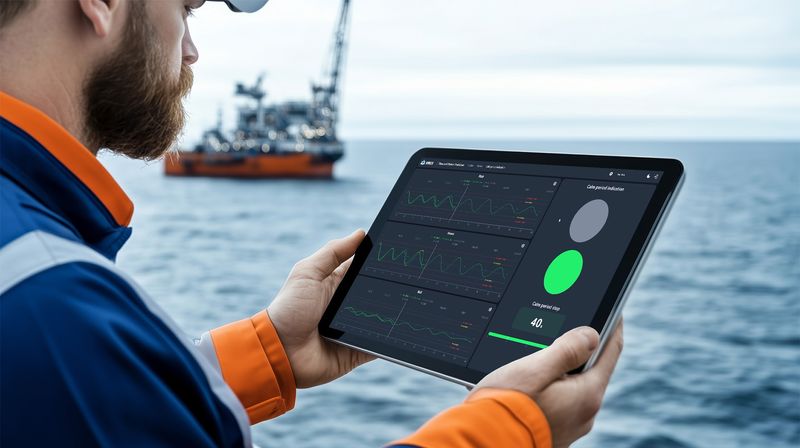
When sea state is close to the operational limit, "probably" isn't good enough. The team needs a shared operational truth. That's what objective measurement provides: not a recommendation, not a forecast, but a verified common starting point for the people who must make the call.
The grey zone doesn't vanish. But it gets smaller. And in offshore operations, a smaller grey zone is everything.
Note: The opinions, beliefs, and viewpoints expressed in this article do not necessarily reflect the opinions of offshore-energy.biz.